Solar Energy Concepts

DIY Solar for UK Homes - Real Guides from a Real Installation

Step-by-step practical guides, component lessons, and hard-earned fixes from real UK DIY solar projects.

Latest Articles

My Components

Sunsynk 3.6 ECCO – The Ultimate Home Solar Inverter for DIY

  • Best DIY inverter in the UK — hybrid, 3.6kW AC, dual MPPT, battery-ready, G98 compliant. Around £750.
  • Owner since May 2023 — running two strings + 16.1kWh Fogstar battery + Solar Assistant automation.
  • Generator port trick: my system has processed 6.3kW of solar power at once by combining both PV strings with an extra inverter on the generator port.
  • Drawbacks: app data refreshes every 5 min (use Solar Assistant instead), CT clamp inaccurate beyond 15m, SOC reporting quirks with parallel batteries.
Fundamentals

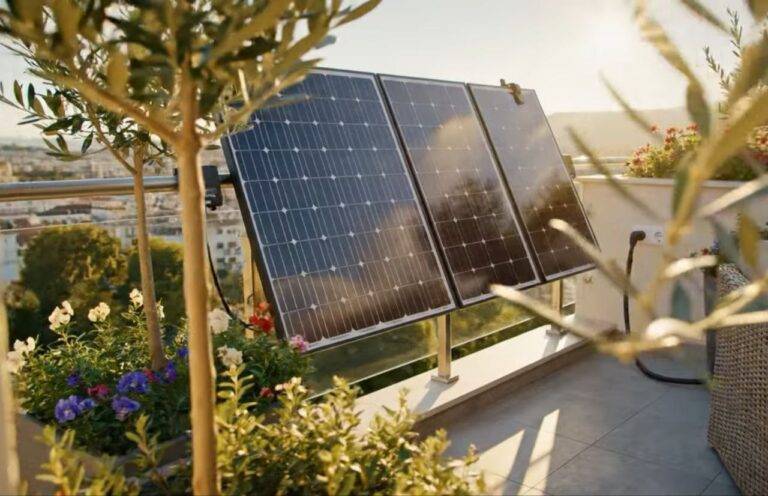
How Do Plug-in Solar Panels Work? Simple Guide for UK Homes

  • Plug-in solar is simple electrically: panels make DC, a microinverter converts it to AC, and your home uses that power before importing from the grid.
  • The socket is not the magic bit — safe generation depends on certified equipment, correct connection, export behaviour, and sensible installation.
  • Placement dominates results; a well-positioned small kit can beat a larger kit put in shade or at the wrong angle.
  • Batteries are optional, not automatic — start by matching generation to daytime household demand before adding storage complexity.
Fundamentals

Flat vs Pitched vs Vertical: How Roof Type Affects Your 10-Year Solar ROI

  • There is no single perfect solar angle — the best roof setup depends on season, orientation, shading, and when your household uses power.
  • Flat and shallow roofs can work well in summer, but winter yield and self-cleaning are weaker than steeper installations.
  • Vertical and wall-mounted panels are not pointless; they trade lower annual yield for useful winter and shoulder-season generation.
  • Use ROI, not peak output, to compare roof types — the best option is the one that produces valuable energy when you can use or export it.
Energy Utilisation

Octopus Export Tariffs: Rates, Comparison, and Which to Choose (2026)

  • Outgoing Fixed is the easy default when you want predictable export income without watching half-hourly prices.
  • Agile Outgoing only wins if your export lands in valuable windows — batteries and automation make that much easier.
  • Flux-style tariffs reward battery control, but the exact spread changes, so check current rates before designing payback around them.
  • Export income is only one side of ROI; self-consumption, cheap overnight charging, and avoided peak imports usually matter more.
Fundamentals

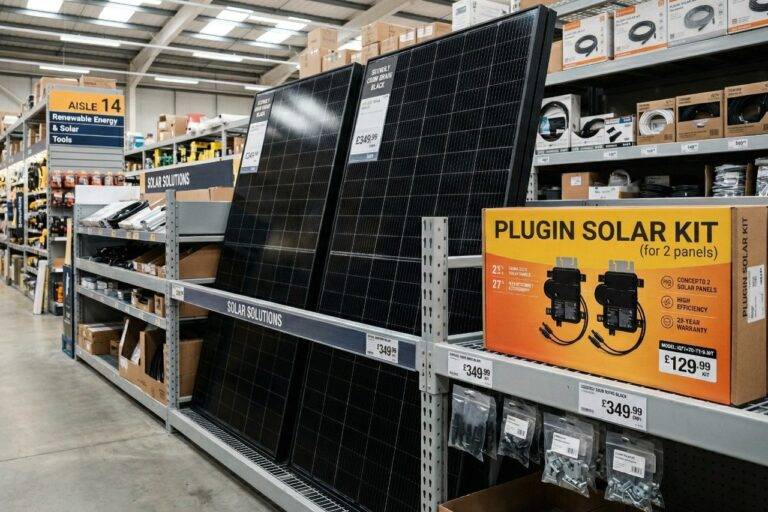
Solar Panel Prices UK 2026: What They Cost, Where to Buy, and What’s Changing

  • Panel price per watt is only one part of the cost — mounting, inverter, battery, labour, and scaffolding often matter more to final payback.
  • Quality panels are now cheap enough that roof space is often the constraint, not the panel itself.
  • Look beyond headline wattage: warranty, degradation, cell type, physical size, and supplier reliability all affect long-term value.
  • 2026 pricing is moving because export rebates, stock cycles, and UK demand can change retail prices quickly.
Fundamentals

Solar Battery Storage UK: Types, Costs, and Sizing Guide (2026)

  • Most UK solar homes should size batteries around usable evening demand, not just the biggest capacity they can afford.
  • LFP lithium batteries are the practical default in 2026 because they balance cycle life, safety, and price better than older chemistries.
  • DC-coupled batteries usually fit new hybrid-inverter installs best; AC-coupled batteries are useful when adding storage to an existing solar system.
  • C-rate matters as much as kWh — an undersized battery or inverter can struggle with kettles, ovens, EV chargers, and heat-pump spikes.
choosing-an-inverter-full
Fundamentals

Choosing a Solar Inverter: Hybrid vs String vs Microinverter (2026 UK Guide)

  • Hybrid inverters are the safest default for most UK homes because they keep battery, solar, and tariff optimisation options open.
  • String inverters are simplest and cheapest when the roof is clean, unshaded, and unlikely to need battery storage later.
  • Microinverters earn their keep on awkward roofs with shading, mixed orientations, small extensions, or panel-level monitoring needs.
  • Check DNO limits, MPPT voltage/current, battery compatibility, and export controls before buying — the wrong inverter is expensive to unwind.
solar-energy-concepts-full
Fundamentals

Your Guide to Home Solar Energy: DIY and Professional

  • Start with your goal, not the hardware — bill reduction, resilience, DIY learning, and export income lead to different system designs.
  • Roof direction and shading decide the first cut — a simple south-facing roof is easy; mixed, shaded, or small roofs need more design work.
  • Batteries change the economics by moving solar or cheap-rate electricity into expensive evening hours.
  • DIY can save money, but compliance still matters — inverter certification, DNO notification, isolation, and safe wiring are not optional.