Fundamentals
Is Your Home Suitable for Plug-in Solar? The RCD Check
- Not every home is suitable for plug-in solar, and the RCD decides it: a Type AC RCD on the socket circuit rules a home out; Type A, F or B passes if bidirectional.
- You can read the type off the label in five minutes: a sine wave alone means Type AC; extra pulsed, ripple or DC marks mean A, F or B. Bidirectional rating usually needs an electrician to confirm.
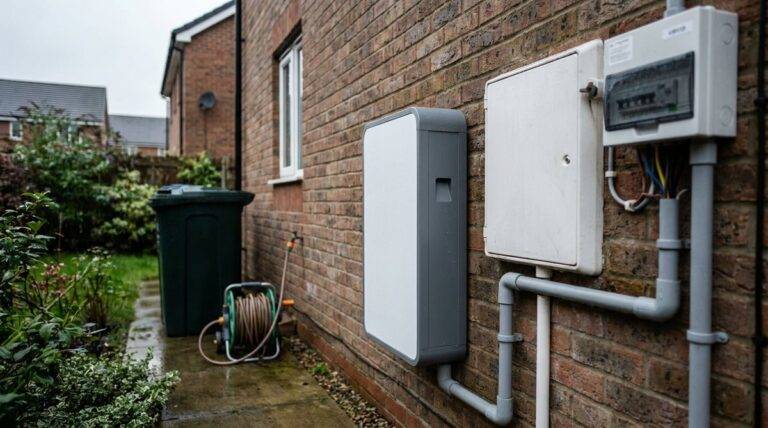
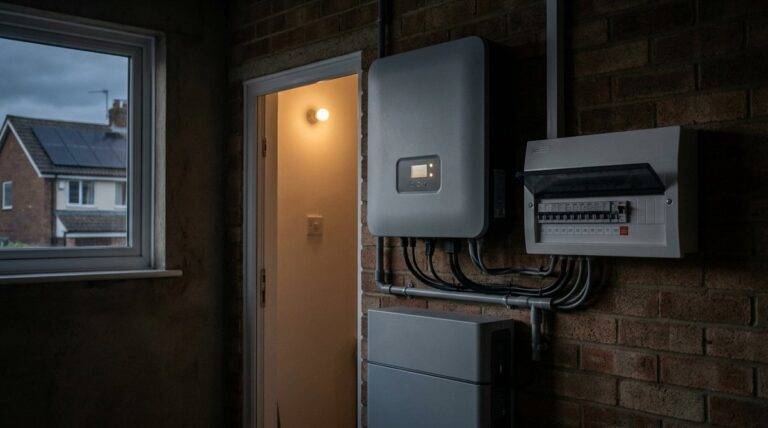
- A fuse box with no RCD is not damaged by a kit, but it gives you no shock protection: Electrical Safety First says inspect first.
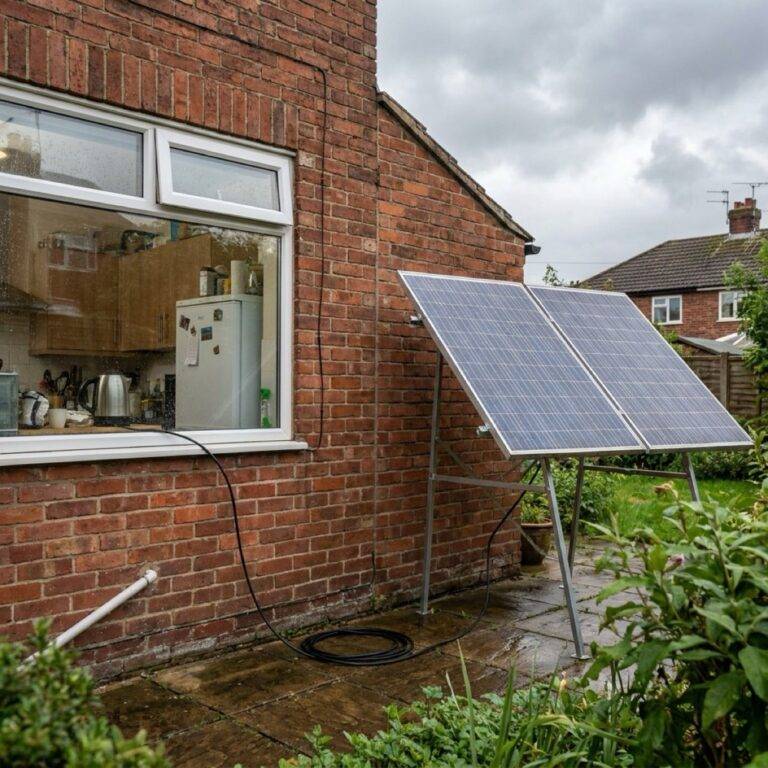
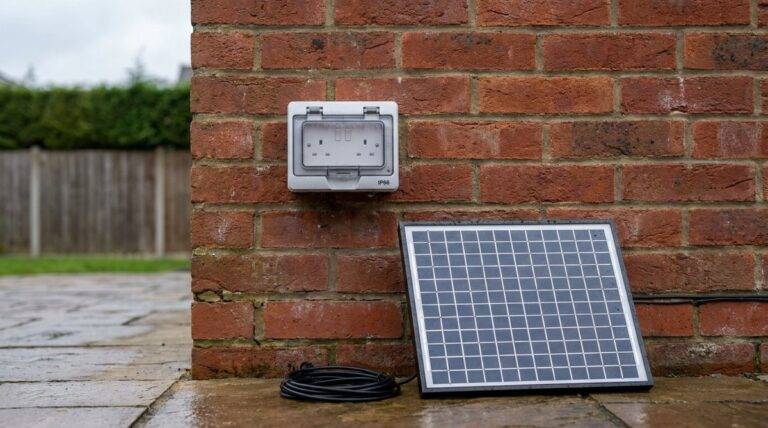
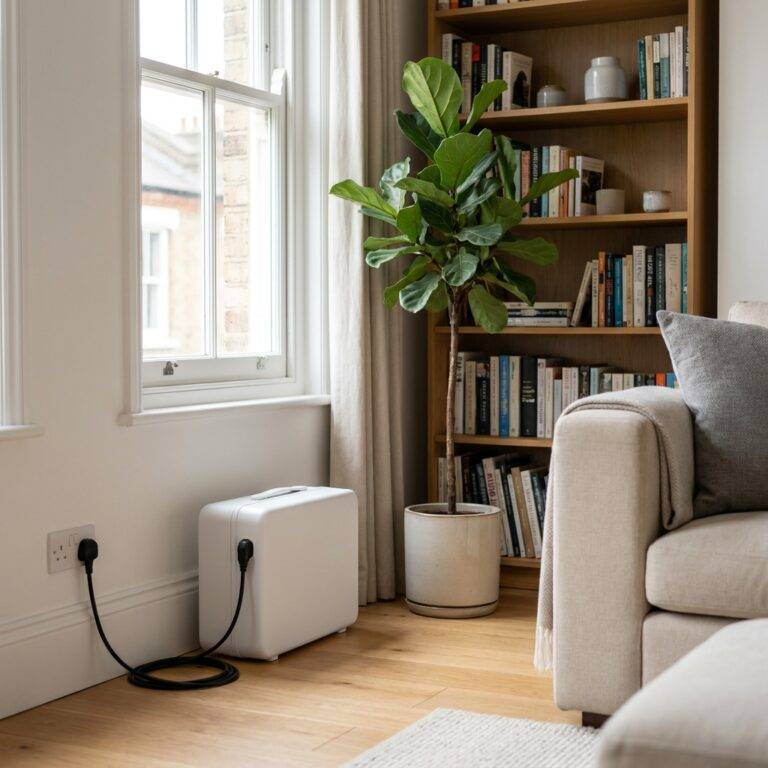
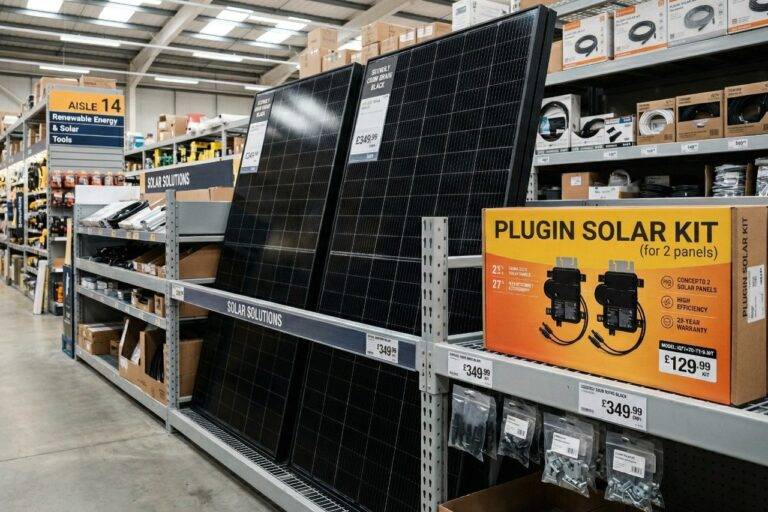
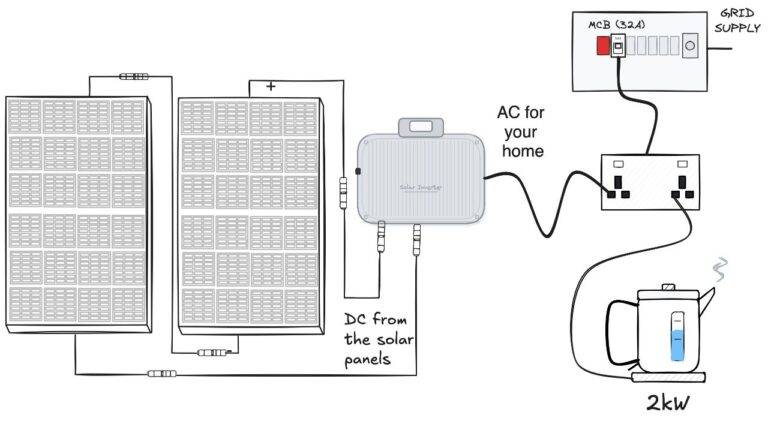
- Socket circuit only, no extension leads or adaptors: and above 960 W of panels, most two-panel kits, the maker must tell you to consider a professional check.
- One device per household and under 3.68 kW across the property: both confirmed in the August 2026 G98 amendment, which says a second plug-in device “is not allowed”.
- Ten lines decide it: if the first two fail, the right first purchase is an electrician’s visit, not a £599 kit.