Skip to content
Skip to content
FundamentalsPlug-in Solar Panels UK: What the New Rules Mean for You (2026)
Read Entry →
System GuidesSolar Panels for a 4-Bedroom House with South-Facing Roof
- South-facing roof: 978 kWh/kWp/year — the highest yield of any orientation, but a sharp midday peak needs battery storage
- Budget option from £3,400 DIY: Solis 3.6kW hybrid + 12 JA Solar 445W panels + 16.1kWh battery, £921/year savings (low-mid), £1335/year (high consumption)
- Premium option from £3,900 DIY: Solis 5kW hybrid + 16 panels + 16.1kWh battery, £1571/year savings (high consumption)
- High consumption homes benefit most — self-consumption reaches 82% with premium system
Read Entry →
System GuidesSolar Panels for a 3-Bedroom House with East/West Roof
- East/west roof produces 81% of south-facing yield (PVGIS) — but the generation curve matches morning and evening demand peaks
- Budget option from £2,250 DIY: Solis 3.6kW hybrid + 12 JA Solar 445W panels + 5.12kWh battery, £756/year savings (low-mid consumption)
- Premium option from £3,900 DIY: Solis 5kW hybrid + 16 panels + 16.1kWh battery, £1310/year savings (high consumption)
- High consumption homes benefit most — self-consumption reaches 84% with premium system
Read Entry →
System GuidesSolar Panels for a 2-Bedroom House with South-Facing Roof
- South-facing 2-bed roof yields 978 kWh/kWp/year (PVGIS data) — the highest of any orientation
- Budget option from £2,014 DIY: 3.6kW Solis hybrid + 10 panels + 3.55kWh battery, 3.5 year payback
- Premium option from £4,892 DIY: 5kW Solis + 9.5kWh battery + 16 panels, £1,335/year savings at high consumption
- High consumption homes benefit most — heat pump and EV households see 66-77% self-consumption
Read Entry →
System GuidesSolar Panels for a 4-Bedroom House with NW/SE Split Roof
- NW/SE roof produces ~75% of south-facing output (PVGIS data) — diffuse light in the UK narrows the real-world gap
- Budget option from £2,700 DIY: 3.6kW Solis hybrid + 12 panels + 3.5kWh battery, £770/year savings
- Premium option from £3,700 DIY: 5kW Solis + 5.12kWh battery + 16 panels, £963/year savings
- High consumption homes benefit most — heat pump and EV households see 80-88% self-consumption
Read Entry →
System GuidesSolar Panels for a 3-Bedroom House with North-Facing Roof
- North-facing 3-bed roof generates ~60% of south-facing output (PVGIS data) — but diffuse light narrows the real-world gap
- Budget option from £1,700 DIY: Solis 3.6kW hybrid + 12 panels, no battery, £433/year savings
- Premium option adds 16kWh Fogstar battery for tariff arbitrage and evening self-consumption
- High consumption homes benefit most — self-consumption reaches 97% with premium system
Read Entry →
FundamentalsUK Solar Panel Grants and Incentives 2026: Complete Guide
- All ‘free solar’ funding in the UK is means-tested. If you don’t qualify for ECO4 or HUG2, there are no government handouts for panels.
- The 0% VAT rule is universal. Every UK homeowner gets 20% knocked off solar and battery installations until 2027.
- Export rates vary wildly. Standard SEG pays just 3-5p per kWh, whereas smart tariffs can pay upwards of 29p+ during evening peaks.
- The DIY loophole: Standard export payments require an MCS certificate, but Octopus Outgoing remains the only mainstream exception to accept self-installed systems.
Read Entry →
Practical and DIYTake Total Control of Your Sunsynk With Solar Assistant Rules
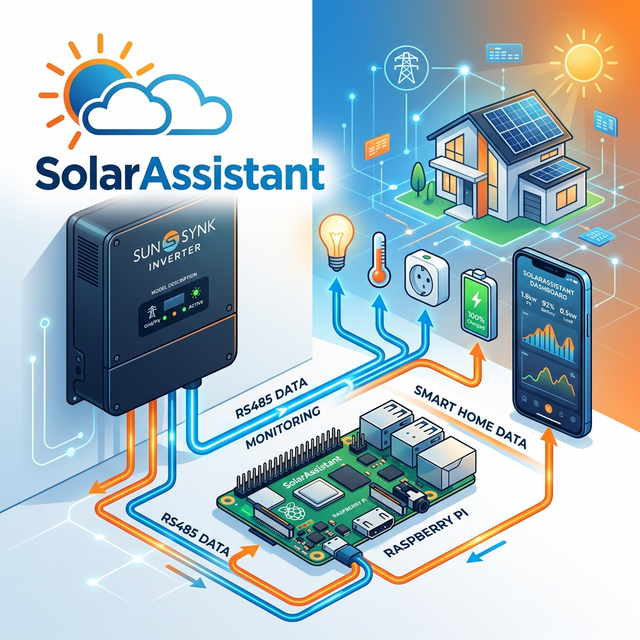
- Solar Assistant + Sunsynk automation: Schedule charge and discharge current limits your inverter’s native app can’t handle.
- Force solar export: Drop Max Charge Current to 2A during the day so surplus solar goes straight to the grid on Octopus Go.
- Real UK export data: These rules helped double grid export from 1,766 kWh to 3,914 kWh year-on-year.
- Crash-proof your setup: Never set amps to zero. Solar Assistant can crash and leave values stuck.
- Home Assistant solar integration: Bridge Sunsynk data via MQTT for Octopus Agile pricing, solar forecasts, and EV diversion.
Read Entry →
Practical and DIYUnlock Hidden Power: How Your Sunsynk 3.6 Inverter Can Process Double the Solar Energy
- Unlock 7kW DC Input: Learn how the 3.6kW AC Sunsynk inverter secretly handles up to 7kW of DC solar power.
- Bypass Export Limits: Keep your legally required 3.68kW grid AC export cap while sending massive excess DC energy straight to batteries.
- The “Max Solar Power” Setting: Discover the hidden menu setting you must adjust to enable this dual-routing capability.
- Winter Performance Boost: Significantly increase your low-light yield by connecting oversized arrays to a smaller, legal inverter.
Read Entry →
Energy UtilisationSolar Panel Payback Period: Real Results From a UK DIY Install
- £2,729 total return in 2.5 years from a £9,000 DIY solar system — on track to break even by 2028-2029
- £1,668 saved in 2025 alone across three streams: avoided grid costs (£634), battery arbitrage (£447), and export earnings (£587). Net electricity bill: a £74 credit
- 5.4 year simple payback at the current rate of return — and component prices have dropped since, making new installs even faster to pay back
- Solar vs ISA: 18.5% annual return, tax-free. But unlike stocks, your panels cannot crash to zero — they sit on your roof generating power regardless of what markets do
Read Entry →