The best Octopus export tariff depends on your setup. Outgoing Fixed pays 12p/kWh and suits most solar-only homes. Agile Outgoing pays dynamic rates that can spike above 25p but average lower. Intelligent Octopus Flux pays up to 28.60p during peak hours and is best if you have a battery. This guide explains each one so you can pick the right tariff for your system.
Why Octopus Energy Leads the UK Export Market

If you’re generating your own solar power, you’re leaving money on the table if you’re not optimizing your export tariff.
The Three Main Octopus Export Tariffs
Octopus Energy offers three primary export tariffs, each designed for different types of solar setups. Let’s break them down.
1. Outgoing Fixed: Simple and Predictable
Rate: 12p per kWh (as of March 2026)
Best for: Homeowners with solar panels but no battery storage.
The Outgoing Fixed tariff is the most straightforward option. You get paid a flat 12p for every kilowatt-hour (kWh) of electricity you export to the grid, regardless of when you export it. There’s no need to monitor wholesale prices or time your exports—just generate solar power, use what you need, and export the rest.
Pros:
- Predictable income
- No complexity—works 24/7
- nearly 3x the minimum SEG rate
Cons:
- You can’t take advantage of higher peak rates
- Less lucrative if you have a battery
2. Outgoing Agile: For the Energy Trader
Rate: Varies every 30 minutes (tracks wholesale prices)
Best for: Tech-savvy users with battery storage who can optimize export timing.
Outgoing Agile is Octopus’s dynamic pricing tariff. The export rate changes every half-hour based on wholesale electricity market prices. Octopus publishes the next day’s 48 half-hourly rates by 4pm each afternoon.
This tariff rewards you for exporting during peak demand (usually 4pm-7pm on weekdays) when wholesale prices spike. On a typical day, you might see rates ranging from 5p/kWh in the afternoon to 25p+ during the evening peak.
Requirement: You need a smart meter (SMETS2 or most SMETS1 meters work).
Pros:
- Potential to earn 20–25p/kWh during peak times
- Perfect if you have a battery—charge it during the day, export at peak prices
- Directly benefits from high-demand days (cold snaps, low wind)
Cons:
- Rates can drop to near zero on sunny, windy days
- Requires active management (or automation) to maximize earnings
- Not ideal if you don’t have battery storage
3. Intelligent Octopus Flux: The Battery Owner’s Dream
Peak Export Rate: 28.60p per kWh (4pm–7pm)
Off-Peak Export Rate: 9.80p per kWh (all other times)
Best for: Homeowners with solar panels and a compatible battery system.
Intelligent Octopus Flux is the top option for battery owners. The Octopus Flux rates are structured around a peak period (4pm-7pm) where you earn 28.60p/kWh, and an off-peak rate of 9.80p/kWh for the rest of the day.
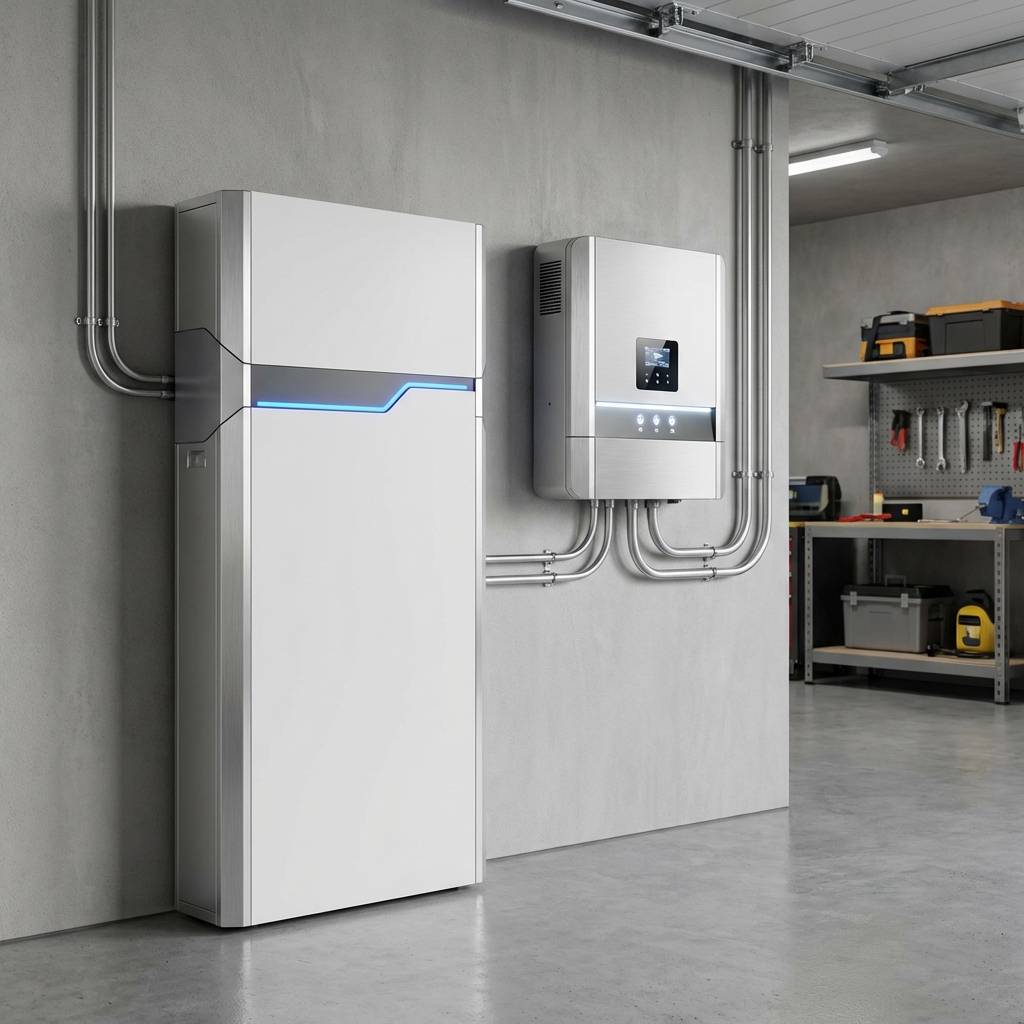
The “Intelligent” part means Octopus automatically optimizes your battery charging and discharging. Your battery charges during cheap off-peak import times, then discharges (exports) during the high-rate 4-7pm window.
Compatible Batteries: Works with Givenergy, Tesla Powerwall, and other smart batteries.
Pros:
- Highest guaranteed export rates in the UK
- Automated optimization—set it and forget it
- Works as both an import and export tariff
Cons:
- Requires a compatible battery system
- Import rates during peak times (4-7pm) are higher, so you need to avoid using grid power then
Quick Comparison Table
| Tariff | Export Rate | Best For | Battery Required? |
|---|---|---|---|
| Outgoing Fixed | 12p/kWh (flat) | Simple, no battery | No |
| Outgoing Agile | Varies (0-28p+) | Tech-savvy, active management | Recommended |
| Intelligent Flux | 28.60p (peak), 9.80p (off-peak) | Battery owners | Yes (compatible model) |
| Standard SEG | 4.1p/kWh | Bare minimum (avoid!) | No |
Is Battery Storage Worth It with Octopus Flux?
This is the £1,000 question. Let’s break down a real-world scenario.
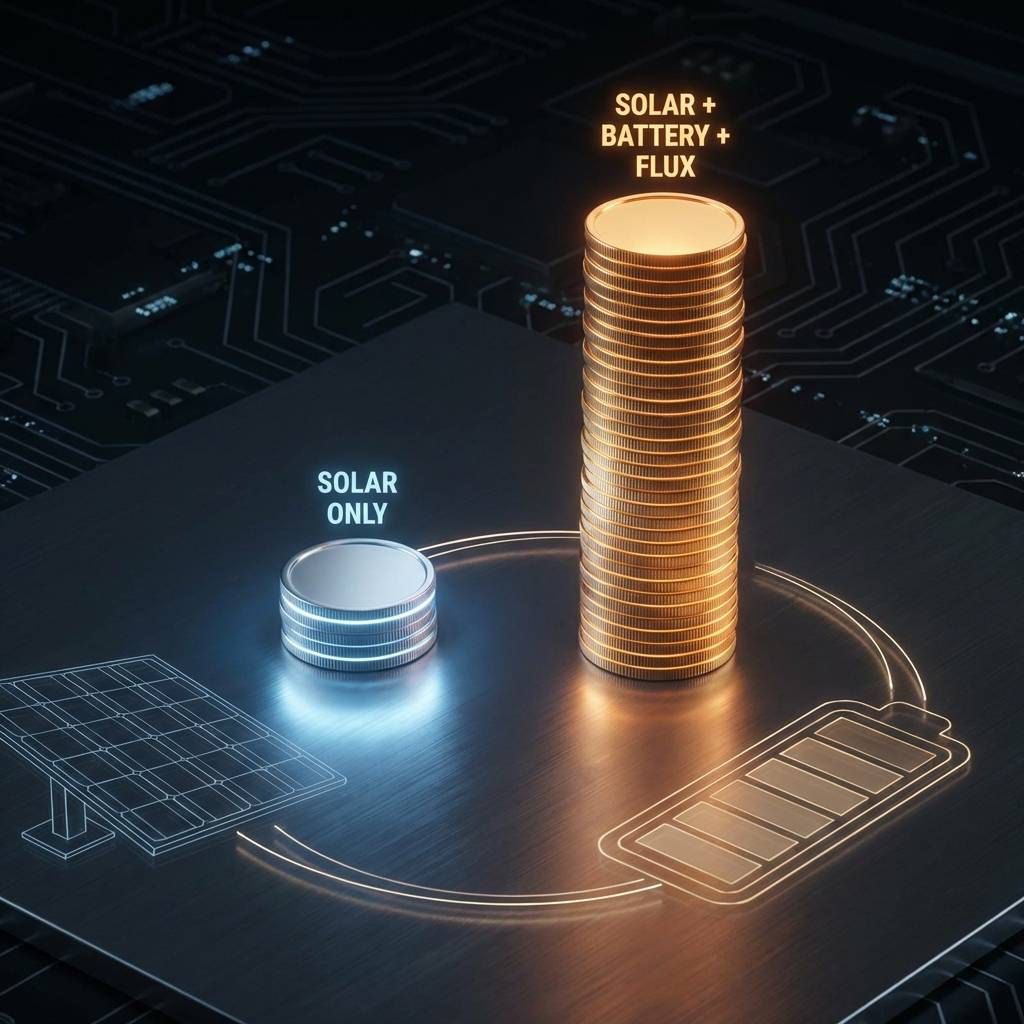
The Math: DIY System with Flux
Let’s say you have:
- 4kW solar array generating an average of 12 kWh per day in the UK
- 5kWh battery (e.g., Givenergy or Pylontech)
- Intelligent Octopus Flux tariff
Scenario:
On a typical summer day, your panels generate 15 kWh. You use 8 kWh throughout the day. That leaves you with 7 kWh of excess energy.
Without a battery (Outgoing Fixed at 12p):
- 7 kWh exported at 12p = £0.84 per day
- Annual earnings: ~£307
With a battery (Intelligent Flux at 28.60p peak):
- Your battery stores 5 kWh during the day
- You discharge 5 kWh during 4–7pm at 28.60p = £1.43
- You still export 2 kWh at 9.80p off-peak = £0.20
- Daily total: £1.63
- Annual earnings: ~£595
Extra earnings with battery: £340 per year
A 5kWh battery costs around £1,500-£2,000 for a DIY install. That’s roughly a 4-5 year payback just from optimized export, not including the savings from using stored solar energy instead of buying grid power.
How to Sign Up for an Octopus Export Tariff
Signing up is straightforward:
- Ensure you have a smart meter: Most SMETS2 meters work, and many SMETS1 meters are now compatible.
- Register your solar/battery system: You’ll need to provide details about your system size and battery (if applicable).
- Choose your tariff: If you have a battery, go for Intelligent Flux. Without a battery, start with Outgoing Fixed and consider Agile if you like to tinker.
- Link your battery (Flux only): Octopus will integrate with your battery’s app for automated optimization.
You can sign up directly through the Octopus Energy website.
My Personal Take: Which Tariff Should You Choose?
After running my own solar setup for years, here’s my advice:
- If you’re solar-only (no battery): Start with Outgoing Fixed. It’s simple, predictable, and way better than the standard SEG.
- If you have a battery: Intelligent Flux is a no-brainer. The 28p+ peak rate is unmatched, and the automation means you don’t have to babysit it.
- If you like to tinker and optimize: Try Outgoing Agile with a battery. You can manually time your exports to catch price spikes, but be aware it’s more hands-on.
Common Questions
Do I need to be an Octopus Energy customer for my import electricity?
No, you can export to Octopus even if you buy your electricity from another supplier. However, combining both import and export with Octopus (especially on Flux) often gives the best overall savings.
Can I switch tariffs later?
Yes, Octopus allows you to switch between export tariffs. If you start with Outgoing Fixed and later add a battery, you can upgrade to Intelligent Flux.
What happens on cloudy days?
If you have a battery and are on Intelligent Flux, your battery can still charge from cheap off-peak grid electricity (e.g., overnight at 12p/kWh) and then export during the 4-7pm peak at 28p+. You’re essentially arbitraging the electricity market.
Final Thoughts
Octopus Energy’s export tariffs have transformed the economics of home solar in the UK. Whether you’re maximizing a simple solar panel setup with Outgoing Fixed or running a sophisticated battery system with Intelligent Flux, you’re likely to earn 3-7x more than the bare-minimum SEG rate.
Octopus also offers Octopus Zero Bills, a tariff that eliminates your energy bill entirely in exchange for letting Octopus manage your battery and heat pump. It is a fundamentally different model from the export tariffs above — I break down the trade-offs in a separate article.
If you’re serious about getting the most out of your solar panels, take 10 minutes to review your current export arrangement. Chances are, you’re leaving hundreds of pounds on the table. After setting up Solar Assistant automation rules, my annual export jumped from 1,766 kWh to 3,914 kWh — that kind of increase translates directly into higher earnings on any of the tariffs above.
Related: Check out our guide on choosing the right battery for your solar system and exporting solar energy from a DIY setup.