
MC4-type solar cable connectors are the usual DC joints between panels, extension cables, and inverter inputs. Used correctly they keep polarity clear, seal against weather, and reduce loose-joint arcing. Used incorrectly (live unmating, mixed brands, poor crimps) they are a common fire and reliability fault.
Connecting lines carrying direct current (DC) is more challenging and dangerous than connecting lines carrying alternating current (AC). Solar energy systems need custom cable lengths on roofs, lofts, and under panels (see solar panel basics). MC4-type connectors exist to make those joints safer and faster than improvised joints.
How to identify MC4-type connectors
| What you see | What it usually means | Homeowner check |
|---|---|---|
| Two-part plastic housing that clicks and needs a tool or firm squeeze to release | Locking PV connector family (MC4-type) | Confirm manufacturer marking on the shell |
| Male metal pin in one shell, female socket in the other | Polarised DC pair | Trace back to panel labels (+ / -) before joining strings |
| Printed rating (e.g. 1000V / 1500V DC, current rating) | Maximum system voltage and current class | Must meet or exceed your string design, not just fit mechanically |
| TUV / UL marks on genuine parts | Type-tested connector | Prefer certified parts; cheap uncertified clones are a known risk |
| Different brand logos on mating halves | Often incompatible geometry even if they “click” | Do not mix brands on the same mate-pair |
Common MC4 mistakes
- Unplugging under load. DC arcs do not self-extinguish like AC. Isolate first.
- Mixing connector brands on a mate-pair. Mechanical fit is not proof of a safe contact surface.
- Poor crimps with ordinary pliers. High resistance heats under current and can start a fire.
- Skipping cable glands / seals so water reaches the metal. Corrosion and tracking follow.
- Using indoor appliance flex instead of UV-rated PV cable on outdoor runs.
- Ignoring string voltage when extending cables. Connectors and cable insulation must match the system voltage.
What Are Solar Cable Connectors?
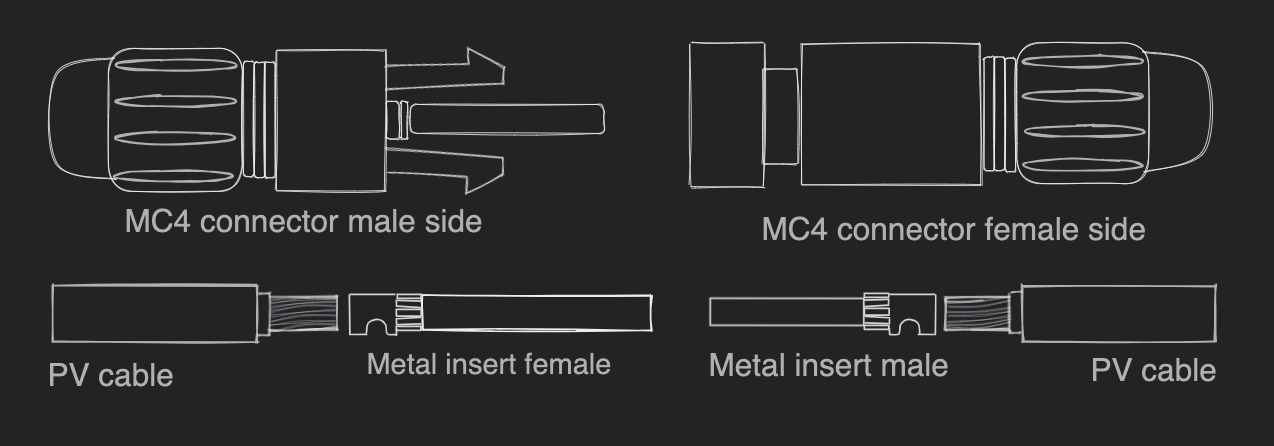
Solar cable connectors (often called MC4-type connectors) are electrical connectors commonly used in solar installations. Their general usage is in connecting cables, for example:
- for extending PV cables by connecting to each other
- connecting cables to endpoints, such as
- junction boxes
- solar panels
- inverters
Clearly Identifiable Polarity
A solar cable connector consists of male and female sides. These sides clip to each other and hold fast. The two parts of the connector are designed with polarity in mind.
Usually, the male side is expected to carry the positive pole, and the female side carries the negative pole. The sides have sturdy plastic housing. The plastic used is extremely low-conductive compounds, which help protect the electric cables from contact with conductive surfaces or humans. Additionally, the plastic housing protects the conductors inside them from the elements.
How Do Solar Cable Connectors Work?
A solar cable connector connects two cables via metal inserts, which are part of each side of the connector. The metal inserts are crimped to the cables with specialised crimping pliers to guarantee a firm grip and secure contact. They are also isolated in plastic elements that clip to each other.
Strong Contact and Polarity of the Metal Inserts
The metal inserts slot into each other and are also called male and female inserts. The metal inserts are housed in the plastic elements of the connector, which are designed to clip to each other and hold fast.
Male Metal Inserts Are Housed in the Female Plastic Clip
The polarity association in metal inserts is opposite to the housing. The male metal insert carries the negative pole, and the female insert carries the positive pole. The metal inserts utilise a snug fit to maximise the contact surface when connected.
Clipping Mechanism for Strong and Safe Connection
The clips are hard to unclip even when intended, thus guaranteeing constant contact between the metal inserts and guarding against unintentional disconnection. The plastic housings have cable glands to prevent water from entering the connector and contacting the cables.
Safety Advice
An adequate constant contact surface helps prevent sparks from appearing in cases of cable movement. Never disconnect solar cable connectors under load. Isolate the DC side first. A DC arc can sustain and start a fire. For install context see the DIY solar guide, connecting solar panels, and mounting equipment.
Why Do We Need Solar Cable Connectors?
The role of a solar cable connector is to connect cables safely and easily.
Safer Against Sparks as DC Increases That Risk
Connecting cables carrying DC is more complex due to the nature of the current. DC is constant, whereas AC goes from peak through 0 around 50 times in a second. Therefore, it provides some chance for sparks to break or for humans suffering from electric shock to be released from it. Electric sparks produced by DC will remain unbroken, generating heat and posing a fire hazard. These sparks are extremely hot and resilient that they are used for welding metals such as steel.
Convenience of Use and Speed of Work
Working with solar energy equipment requires electrical connections to be created in challenging and awkward places. For example, at the back of solar panels or around building features – see our roof mounting guide for how cables route through the system.
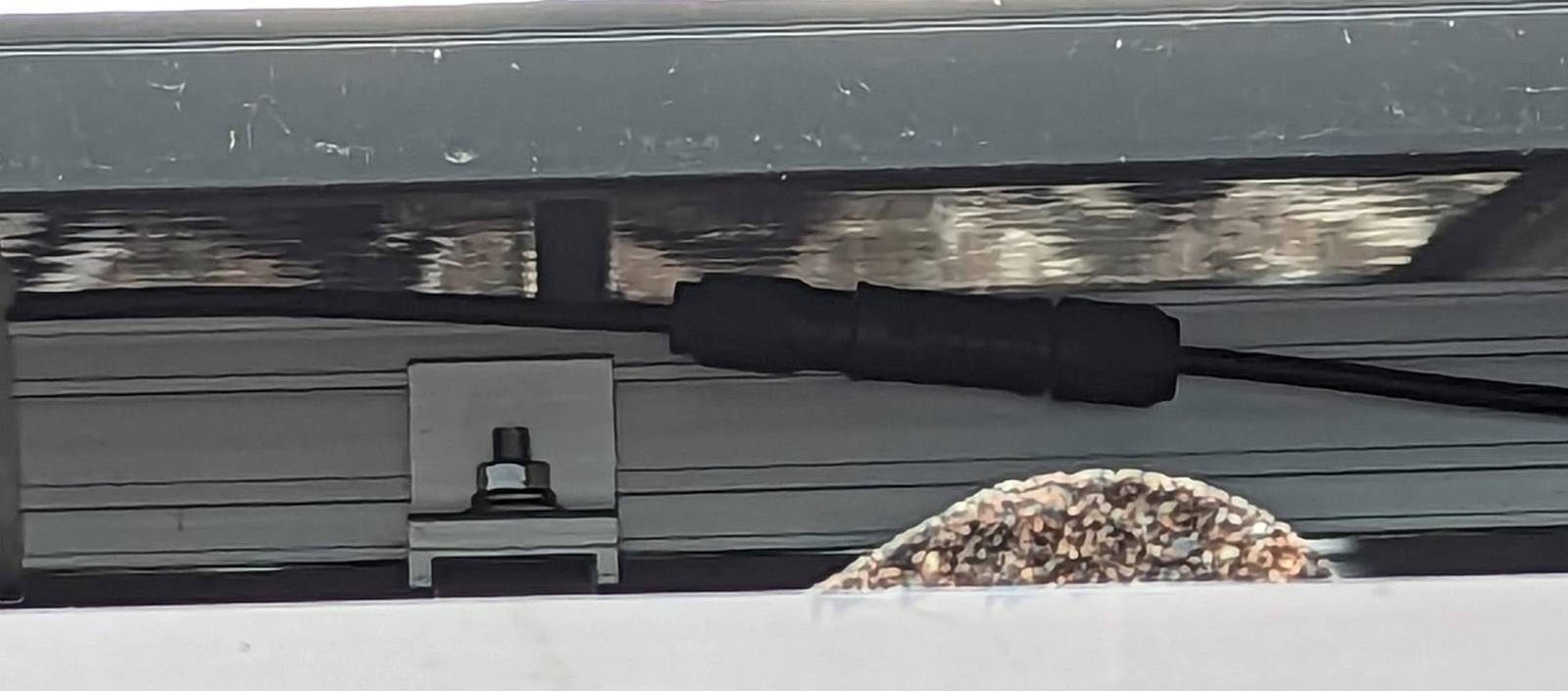
This demands an easy way to make such connections safely, and solar cable connectors are designed with that ease of work in mind.
Internation Safety Standards Covered
Reputable manufacturers produce solar cable connectors complying with the following safety standards:
- TUV Certification: TUV is a German certification that signifies a product has been tested for safety and meets the minimum requirements of German and European directives. See here for an example of a certified manufacturer’s certificate verification:
- UL6703: This is the standard for plug connectors for use in photovoltaic systems from Underwriters Laboratories (UL) in the USA.
How Are Solar Cable Connectors Used in Solar Energy Systems?
Solar cable connectors are typically used on solar panels, inverters, micro-inverters and optimisers. These come pre-fitted on the equipment, ready to connect to your installation. Most of the time, solar cable connectors are assembled and crimped to cables as and when required during the solar energy system installation.
The ease of work and the safety features provided by these connectors extend their usage in other places. For example, junction connectors for parallel connection of solar panels use these connectors with multiple male or female ends and a single opposite end for connecting to the next line.
Conclusion
Quality MC4-type connectors matter because DC joints live outdoors for decades. Use genuine matching pairs, proper crimps, UV-rated cable, and never unmate under load. If you are mapping the full system, start with how solar panels connect and the series vs parallel guide.
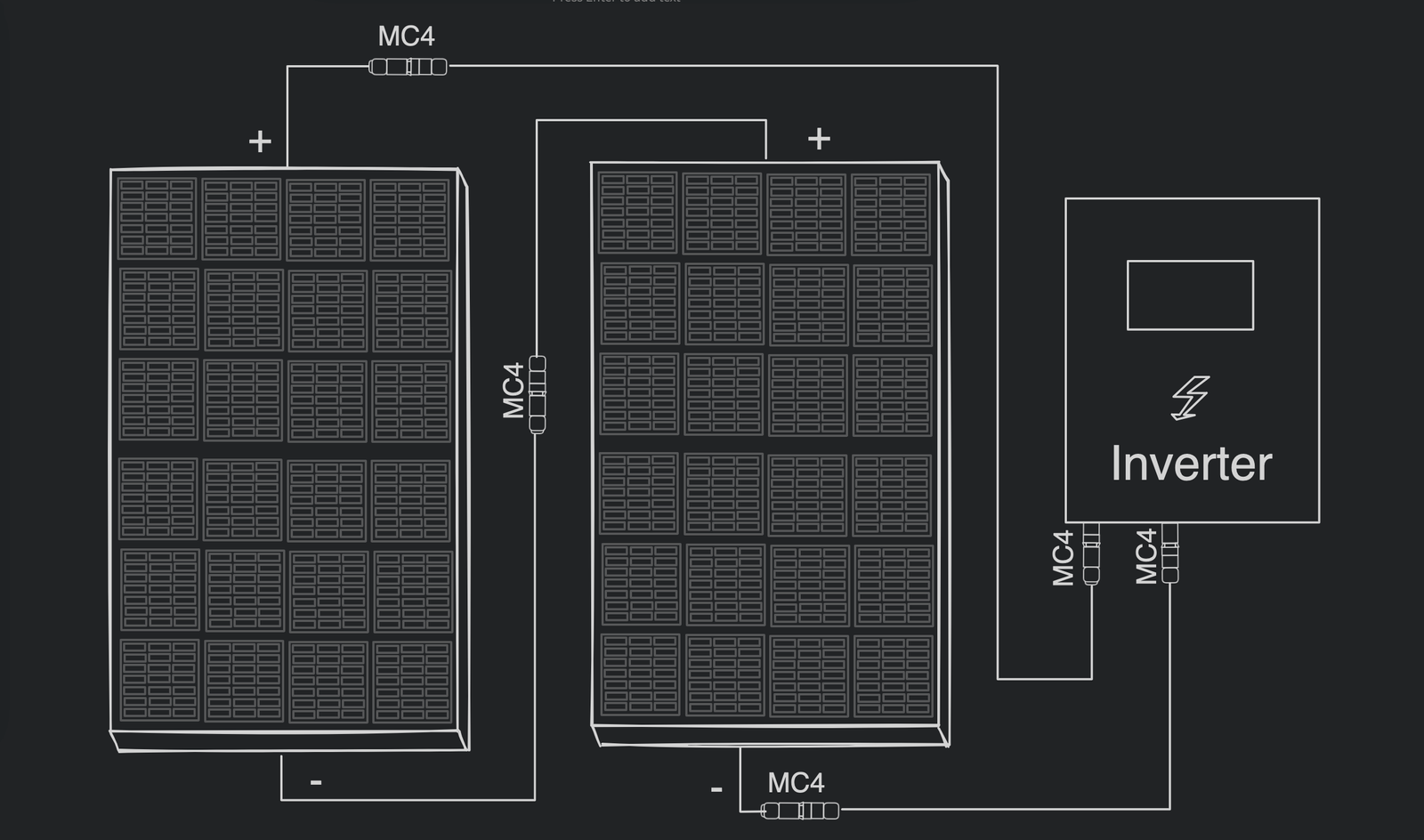
Note: Solar cable connectors are commonly referred to as “MC4 connectors” or “MC4-type connectors” in the industry. MC4® is a registered trademark of Stäubli Electrical Connectors AG.
