Solar Energy Concepts

Fundamentals

Core concepts and essential knowledge for understanding home solar systems, from panels to inverters.

Fundamentals

Home Solar Batteries: A Comprehensive Guide to Energy Storage

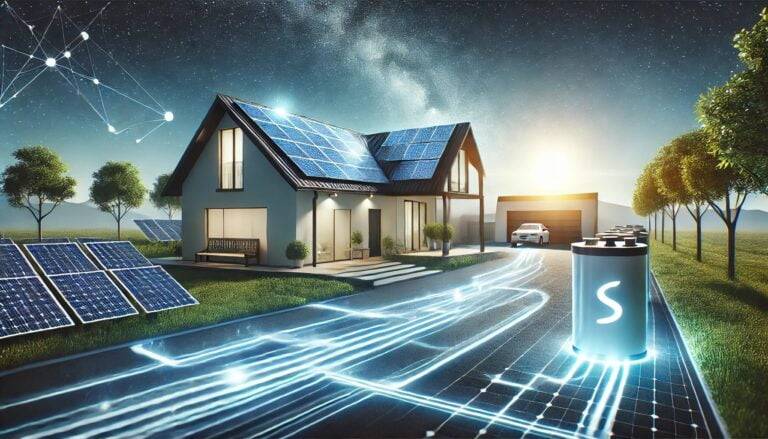
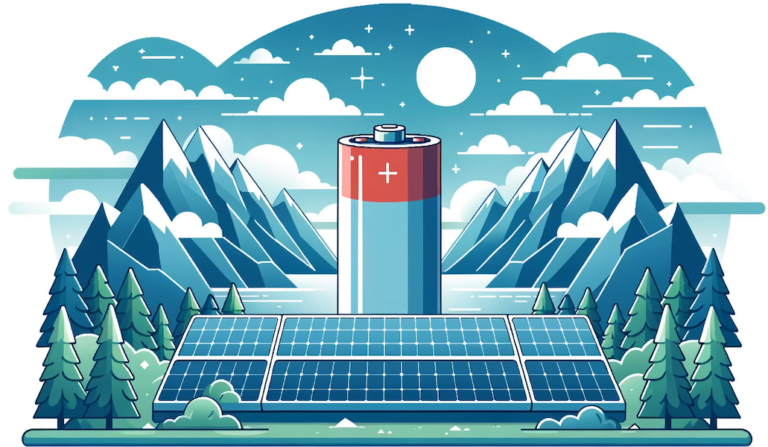
  • Adding a battery more than doubled annual savings in MCS data — from £380 with solar alone to £840 with solar and storage, because stored energy is 5-7x more valuable than exported energy.
  • DC batteries cost less per kWh than AC batteries because they do not include a built-in inverter — but you need a hybrid inverter anyway for solar, so the total system cost is lower.
  • C-rate determines whether your battery can keep up with peak loads: a 0.5C battery on 5 kWh only delivers 2.5 kW, which will not run an oven and washing machine together.
  • LiFePO4 batteries last 3,000 to 6,000+ cycles — at one cycle per day, that is 8 to 16 years of daily use before capacity degrades meaningfully.
  • Battery prices have dropped 85% since 2010. For most UK homes on single-phase, a 48V LiFePO4 battery paired with a hybrid inverter is the practical, cost-effective choice.
Read Entry →
Fundamentals

UK Solar Panel Grants and Incentives 2026: Complete Guide

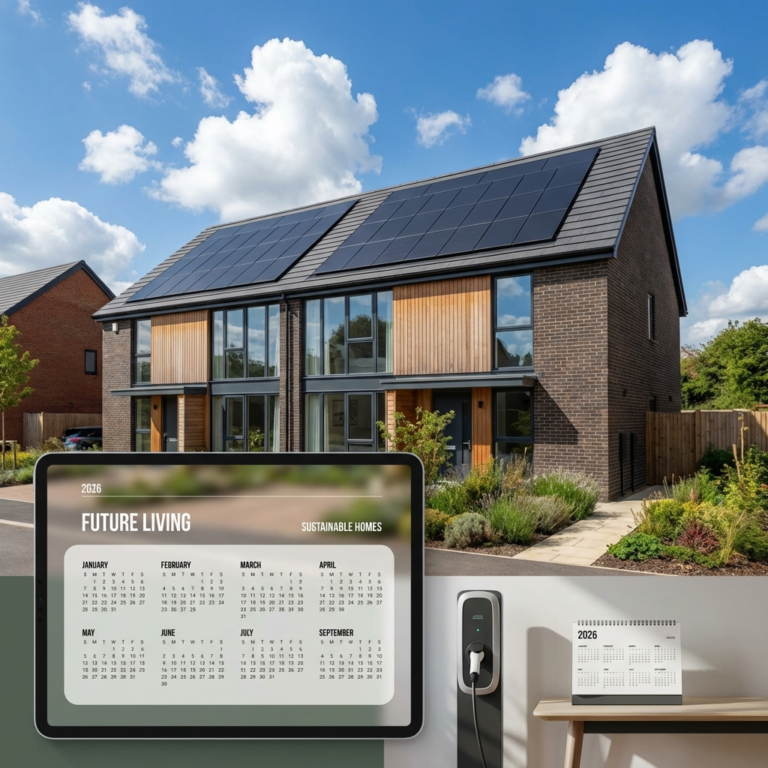
  • All ‘free solar’ funding in the UK is means-tested. If you don’t qualify for ECO4 or HUG2, there are no government handouts for panels.
  • The 0% VAT rule is universal. Every UK homeowner gets 20% knocked off solar and battery installations until 2027.
  • Export rates vary wildly. Standard SEG pays just 3-5p per kWh, whereas smart tariffs can pay upwards of 29p+ during evening peaks.
  • The DIY loophole: Standard export payments require an MCS certificate, but Octopus Outgoing remains the only mainstream exception to accept self-installed systems.
Read Entry →
choosing-an-inverter-full
Fundamentals

Which is the Right Solar Inverter Hybrid, String, Microinverters

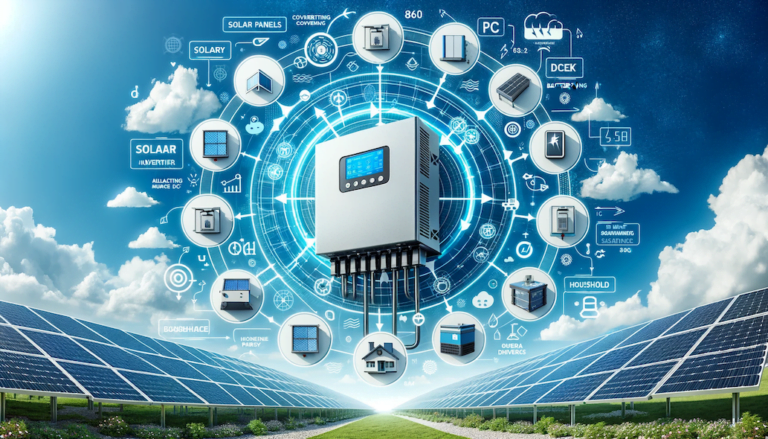
  • Hybrid inverters serve as central nerve panels, seamlessly orchestrating DC solar generation alongside battery storage charging and intelligent grid export.
  • Microinverters shine on complex, shaded roofs by optimizing each solar panel individually, though they come at a significant premium and add potential points of failure on the roof.
  • String inverters remain the most wallet-friendly and robust solution for large, unshaded arrays where battery storage isn’t an immediate requirement.
  • DNO limits matter: Before choosing a high-capacity 5kW or 8kW inverter, ensure you’ve reviewed the local UK DNO restrictions under G98 / G99 regulations.
Read Entry →